


The name diamond comes from the Greek word "adamas" (ἀδάμας), which means "invincible" or "invincible".
It is 58 times harder than anything else in nature and boasts the title of "the most durable natural mineral on Earth," which sets it apart from other minerals.
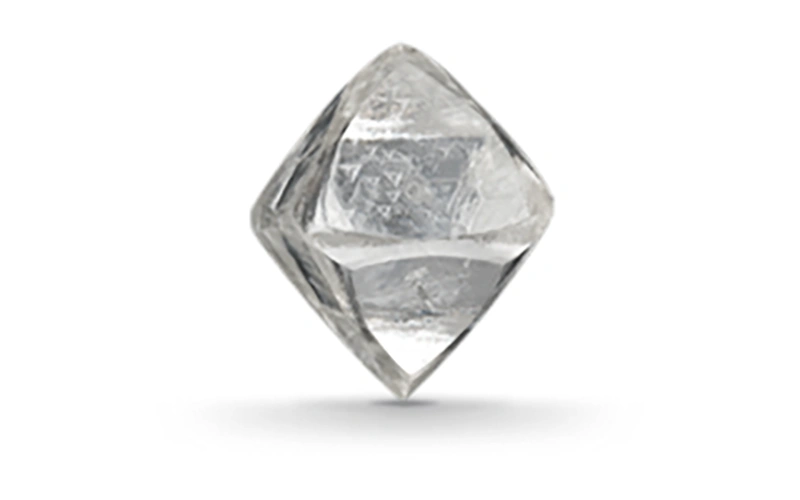
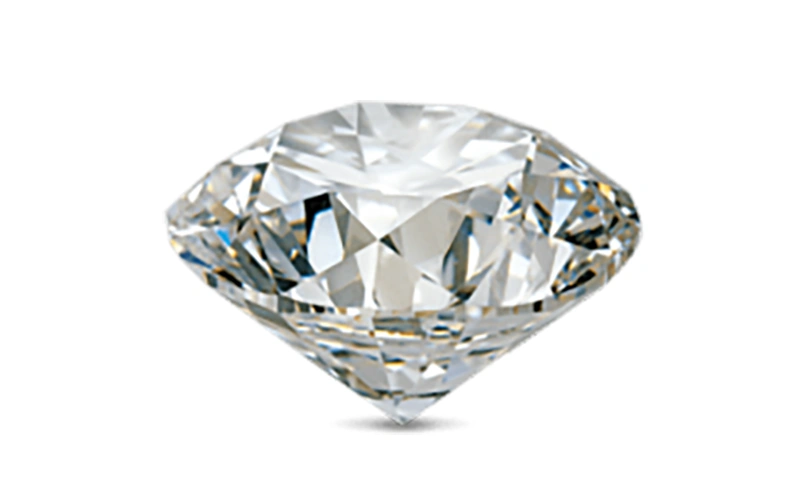


GEM INFORMATION
FEATURES
| MINERAL | Carbon |
| CHEMICAL COMPOSITION | C |
| COLOR | Colorless to all colors of the spectrum |
| REFRACTION INDEX | 2.417 – 2.419 |
| BIREFRINGENCE | None |
| SPECIFIC WEIGHT | 3,52 g/cm3 |
| HARDNESS ACCORDING TO THE MOHS CHART | 10,0 |
DIAMOND AND ITS CHARACTERISTICS
Pure carbon, gracefully crafted into a form that the general public has elevated to a pedestal among precious stones, is evaluated based on several indicators. These are the so-called 4Cs, which stand for COLOR, Clarity, Cut, and Carat.
Although it is best known for its clear color, diamonds can surprise with a whole range of colored shades. Red, purple, or pink natural diamonds command the highest price on the market. However, black or brown diamonds can also attract attention with their interesting color.
VALUE
When buying a wedding or engagement ring, it is important to know how to choose the perfect diamond. The value of diamonds is assessed according to four main criteria, the so-called 4C, ktoré predstavujú:
- Color
- Clarity
- Cut
- Carat
COLOR
Diamonds exist from colorless to all colors of the spectrum.
In colorless diamonds, it increases the value and requires the absence of any color nuance. The predominant color that we can see in a diamond is yellow, which is caused by the trace element nitrogen. To most accurately determine these yellowish colors in a diamond, there is a scale from D-Z and is divided into seven categories.
Color categories:
D, E, F – colorless
G, H – almost colorless
I, J – faintly colored
K, L, M – a hint of yellow
N-R – very soft yellow
S-Z – light yellow
FANCY– the color intensity is sufficient for the diamond to be labeled as colored
In the "fancy diamond" category, higher color intensity is desired and more valued. So the more pronounced the color, the more expensive the diamond.
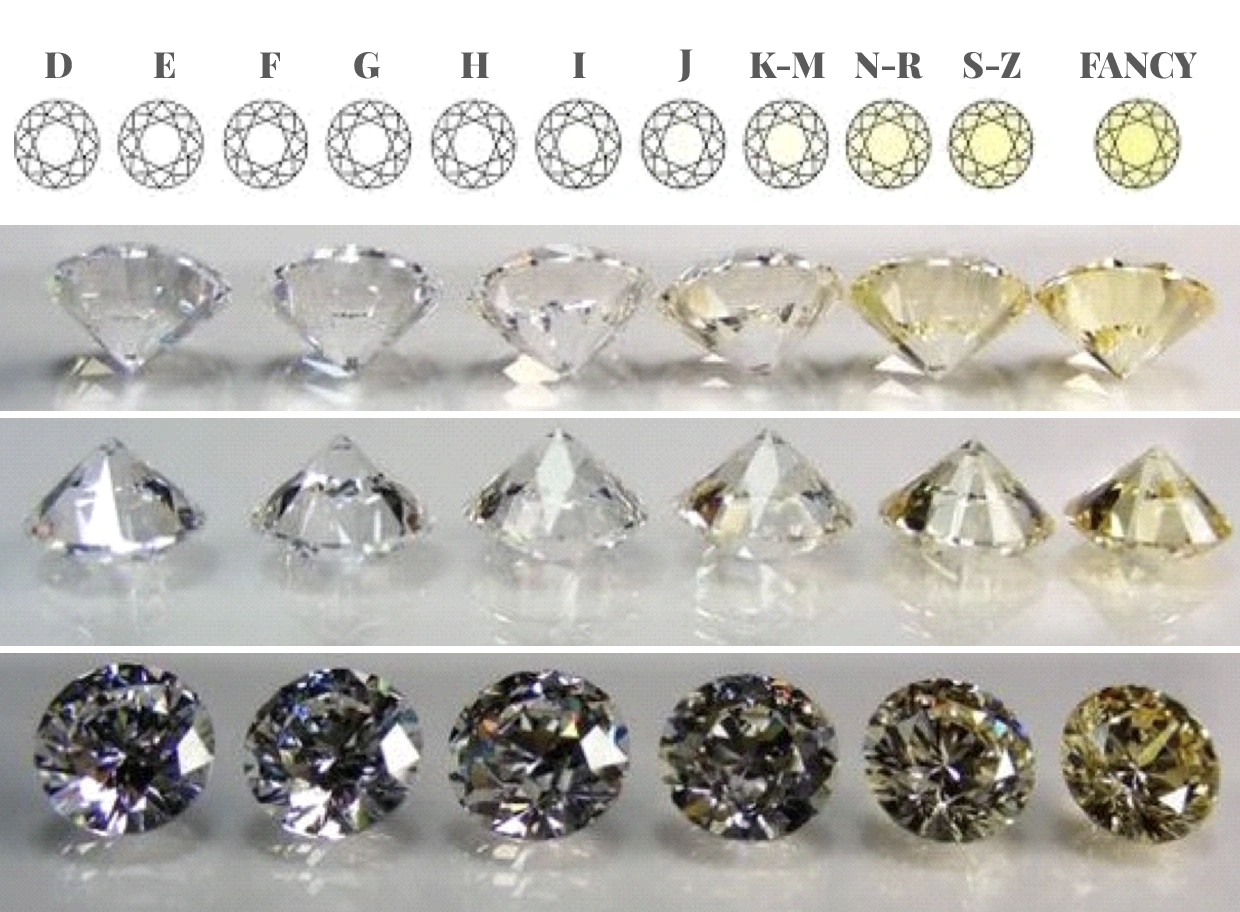
Determining the color or colorless diamond is done using comparison diamonds.
CLARITY
There is another important thing to consider when buying the perfect diamond, as it has a direct impact on its value.
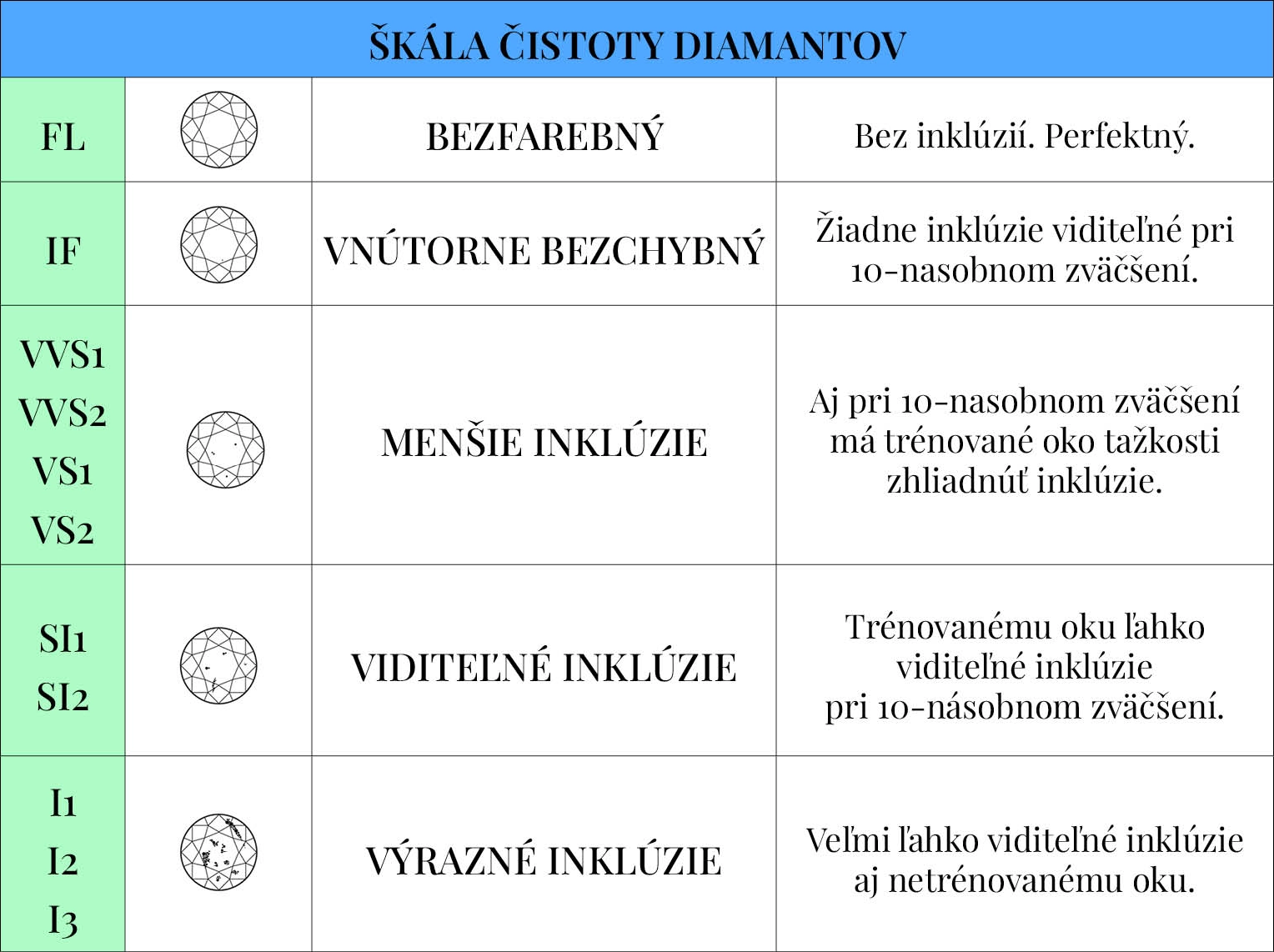
Diamonds can have various impurities. Internal ones are called inclusions, and the outer ones are known as stainsA flawless diamond, one that has neither inclusions nor blemishes, is very rare.
When determining the clarity of a diamond, 10x magnification and specific lighting are used so that the expert can determine the degree of clarity of a given diamond as accurately as possible.
Each diamond is assigned a grade on a scale of F-I, with “F” (“flawless”) representing a flawless diamond and “I” (“obvious Inclusions”) describing a diamond that has “obvious inclusions.”
If you want to be 100% sure that your diamond will be "clear to the eye", that is, without any inclusions visible to the eye, focus on diamonds of the "VS2" grade or higher.
Diamonds of "FL" (flawless) quality, meaning without inclusions, are purchased as investment pieces because they will always have the highest price on the market and there will be demand for such quality.
What makes them even more advantageous on the desirability scale is the fact that they are made up of crystalline carbon. So they do not react in any way with most acids and bases. Practically speaking, compared to other types of gemstones, you do not have to worry about diamonds being tarnished even when exposed to chemicals.
Vyznačujú sa vysokým indexom lomu svetla, čo im dodáva charakteristický lesk a brilanciu. Majú tiež vynikajúcu schopnosť disperzie, ktorá breaks light into a spectrum of colors, which creates a colorful "fire" or rainbow effect when illuminated. They are also a great heat conductor, which is also used for its identification.
Good advice in conclusion:
If you want to buy a really high-quality diamond, it's a good idea to balance color with clarity. If you're looking for diamonds in the D-F color range, aim for VS2 clarity grades or higher. Diamonds in the G-I color range combined with SI clarity are an excellent choice.
CUT
Gemstones are cut into a variety of shapes. Each shape has unique properties. The cut is not just about its shape, but also how effectively it reflects light that enters it. A well-cut gemstone is characterized by high brilliance and has a distinct “fire.” The quality of the cut depends on the angles, placement, number of facets, and the precision with which the cutter can cut them. A poorly cut stone, regardless of its clarity or color, can appear dark and lifeless. Properly cut gemstones, on the other hand, are more impressive and even tend to appear larger than a stone of the same carat weight.
Cut gemstones exhibit three different properties: brilliance, dispersion and scintillation.
Brilliance is the light that reflects off a gemstone when it either hits the surface of the stone and bounces off the surface or enters it.
Dispersion It occurs when white light passes through a stone and some of the light rays are split into its spectral colors, creating colored flashes known as "fire".
Scintillation are flashes of color that are visible when an observer moves the gemstone back and forth.
Perfectly cut diamonds
An ideally cut diamond is one that is cut to ideal parameters and has an excellent rating of brilliance and symmetry. An ideally cut diamond perfectly refracts the light that enters it, reflects it back, and thus creates its characteristic brightness - fire.
You can also recognize a perfectly cut diamond by the fact that you can see the so-called "Hearts and Arrows" in it. The arrow pattern can be seen from above, and from the side of the "pavilion" you can see an eye with 8 hearts with small "v" shapes. If both patterns are visible at a single glance, the diamond has perfect optical symmetry.
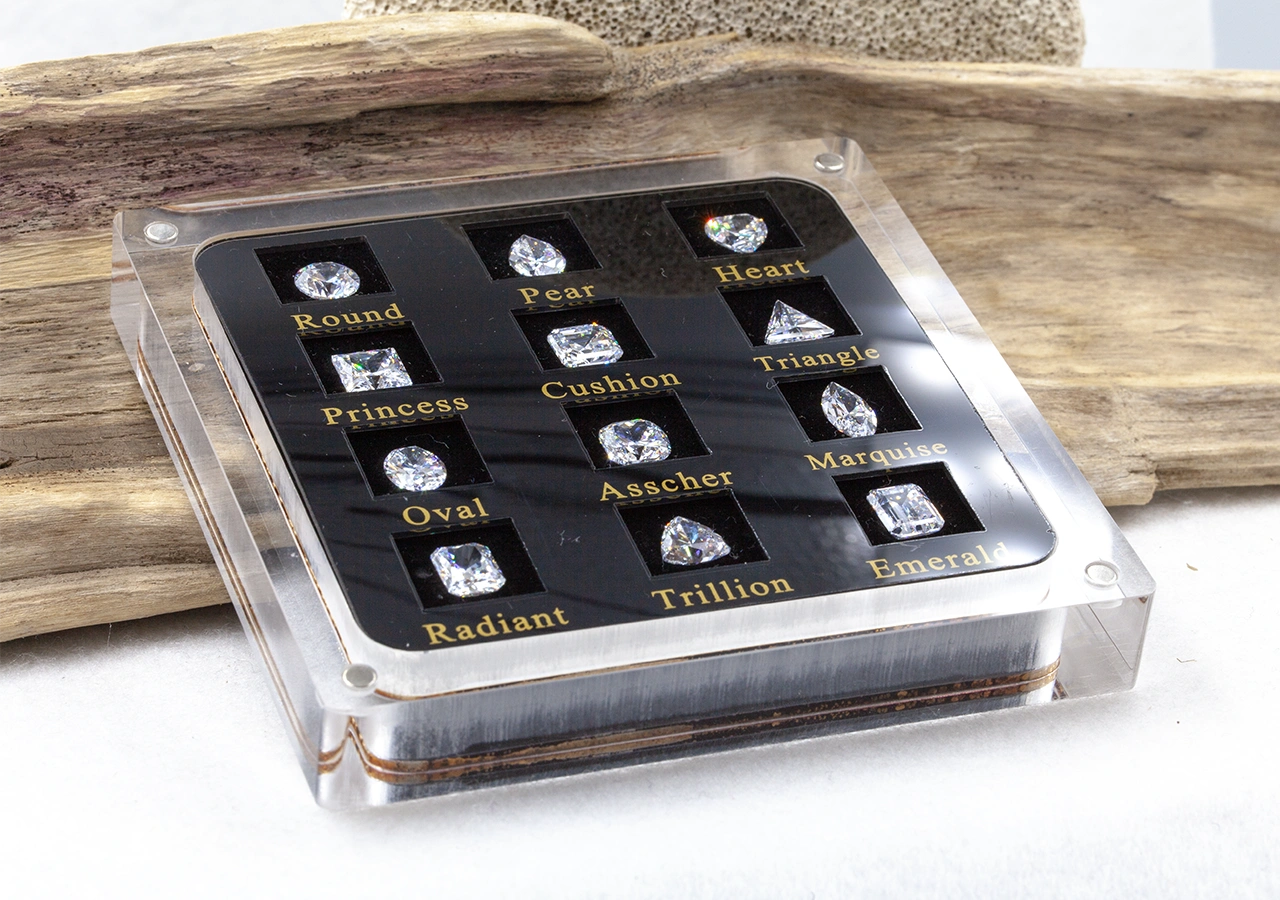
CARATS WEIGHT
Carat refers to the weight of a gemstone. It comes from the word "karob" which means "carat". Carats are units of measurement used to determine the weight of gemstones, with one carat equal to one-fifth (1/5) of a gram, or 200 mg (milligrams).
If it could be said simply, then 1 carat = 0.2 g.
However, let's not confuse this with the KT designation used for gold. In the case of gold, this refers to the karat purity.
In reality, however, carat weight (Ct) does not simply indicate the weight of a gemstone, as its impact on price is more complex. Unlike qualitative aspects such as color, clarity, and cut, carat weight reflects rarity. As carat weight increases, the price increases exponentially rather than linearly. For example, a 4.00-carat emerald will typically be much more than double the price of a 2.00-carat emerald of the same quality, reflecting the rarity of larger stones.
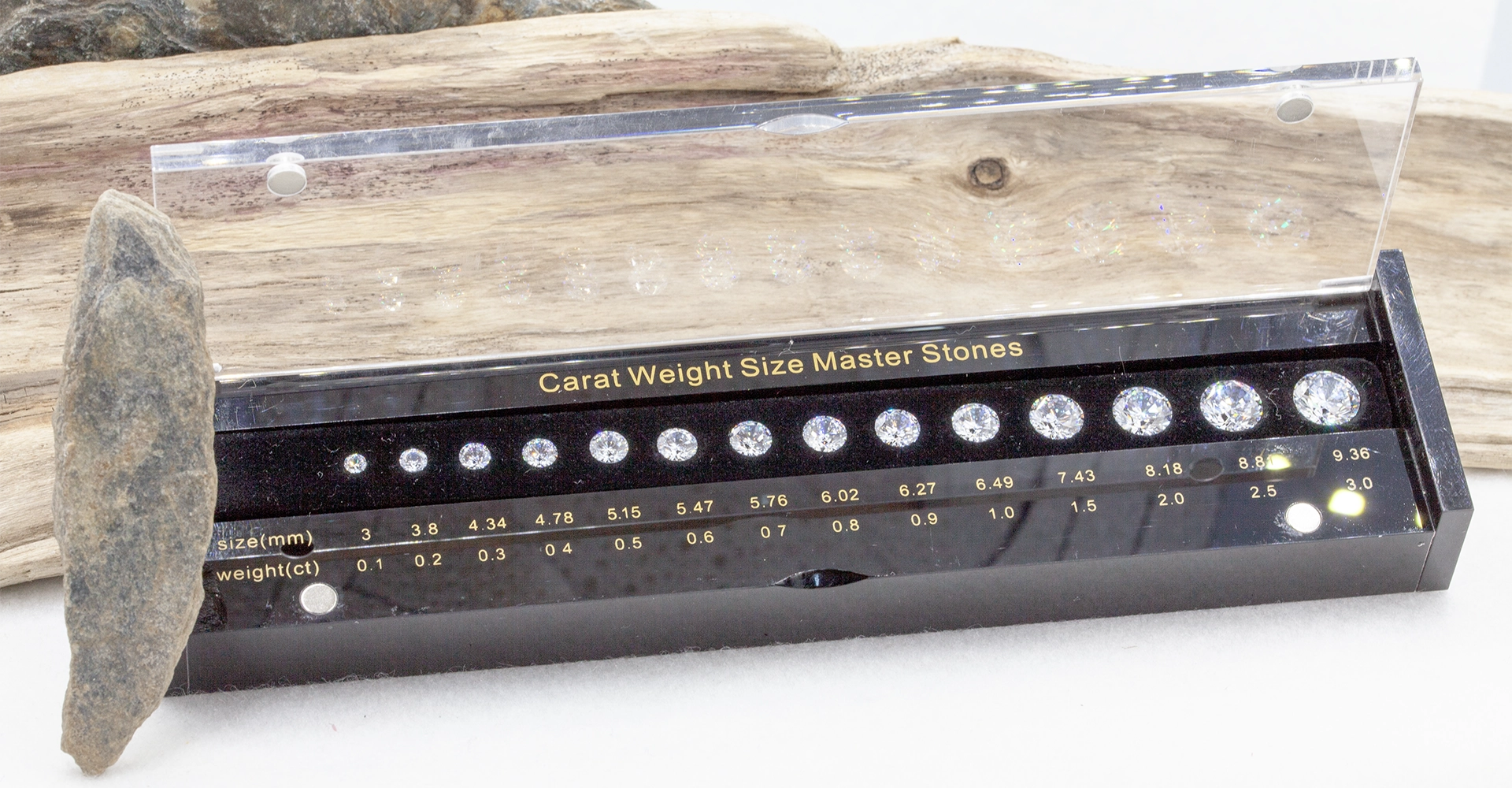
ORIGIN
Diamonds are unique gemstones that were formed at extreme temperatures of around 1000-1500 °C and pressures. 140 to 200 km deep in the Earth's crust. They have unique physical and chemical properties and are the hardest natural materialOn the Mohs scale of hardness, they have the highest, 10th place, which means they are extremely scratch-resistant. Thanks to this, they are used in industry, for example, for cutting and grinding. But we like them the most for their most beautiful properties, i.e. shine, attractiveness and transparency, and we rank them among jewelry gems.
What makes them even more advantageous on the desirability scale is the fact that they are made up of crystalline carbon. So they do not react in any way with most acids and bases. Practically speaking, compared to other types of gemstones, you do not have to worry about diamonds being tarnished even when exposed to chemicals.
Vyznačujú sa vysokým indexom lomu svetla, čo im dodáva charakteristický lesk a brilanciu. Majú tiež vynikajúcu schopnosť disperzie, ktorá breaks light into a spectrum of colors, which creates a colorful "fire" or rainbow effect when illuminated. They are also a great heat conductor, which is also used for its identification.
HISTORY
The history of diamonds is fascinating and dates back thousands of years.
Prvé známe diamanty sa našli v Indii. Boli ťažené a obchodované už v 4th century BC. At that time, they were considered precious and mystical stones that had protective properties. In ancient cultures, such as Persia and Rome, diamonds were considered symbols of power, wealth, and love.
In Europe, diamonds began to penetrate aristocratic and royal jewelry as early as in the Middle Ages. In the 14th century, cutting techniques began to develop, which increased the brilliance and attractiveness of diamonds. After this achievement, diamonds became increasingly popular, especially during the 15th and 16th centuries.
In the 19th century Significant diamond deposits were discovered in South Africa, leading to mass diamond discovery and mining.
Subsequently, companies like De Beers began to dominate the diamond market and created marketing campaigns to popularize diamond engagement rings.
In recent decades Technologies have been developed to create synthetic diamonds in a laboratory, so-called "Lab-grown diamonds", which are chemically and physically identical to natural diamonds.
In today's times Diamonds are a symbol of luxury and wealth, and are also an investment asset. Lab-grown diamonds are becoming increasingly popular, providing an alternative to traditional diamonds.
The history of diamonds is thus a story of evolution, culture and economics, reflecting human desires and values over time.
We present to you a few historically most important diamonds, which have not only aesthetic value, but also a rich cultural and political history.
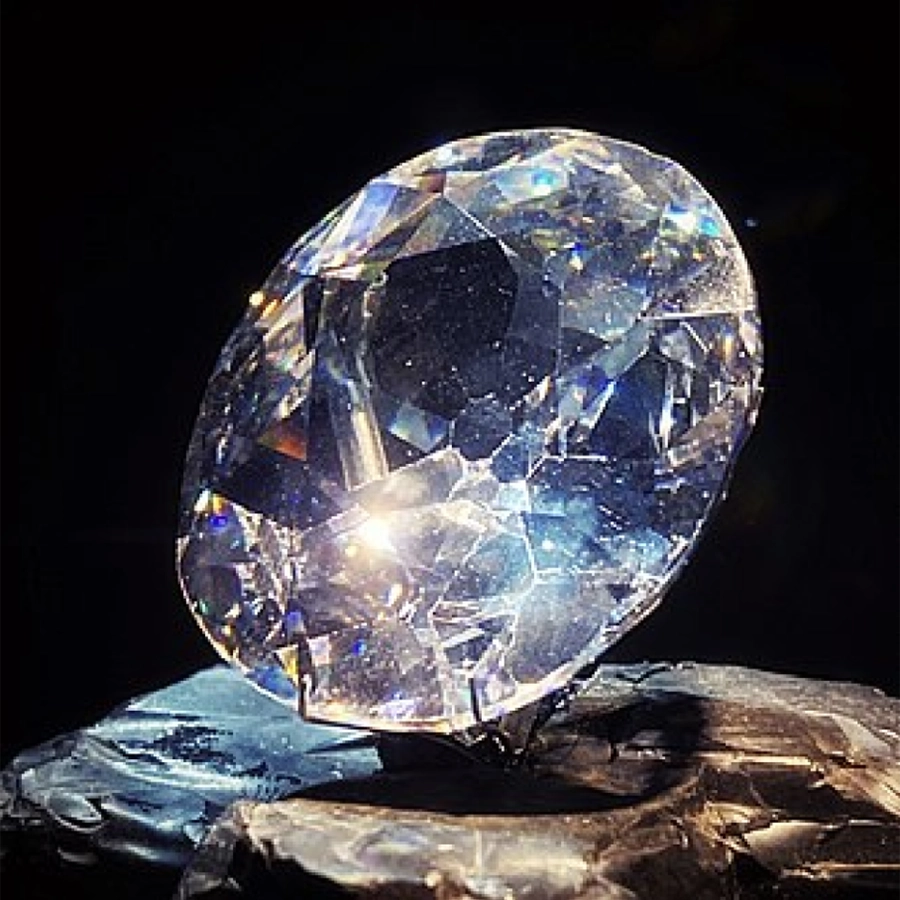
Koh-i-Noor, mined centuries ago in India, was part of the Indian royal treasures and passed through many hands, including maharajas and British monarchs. Today, it is part of the British Crown Jewels and is housed in the Tower of London.
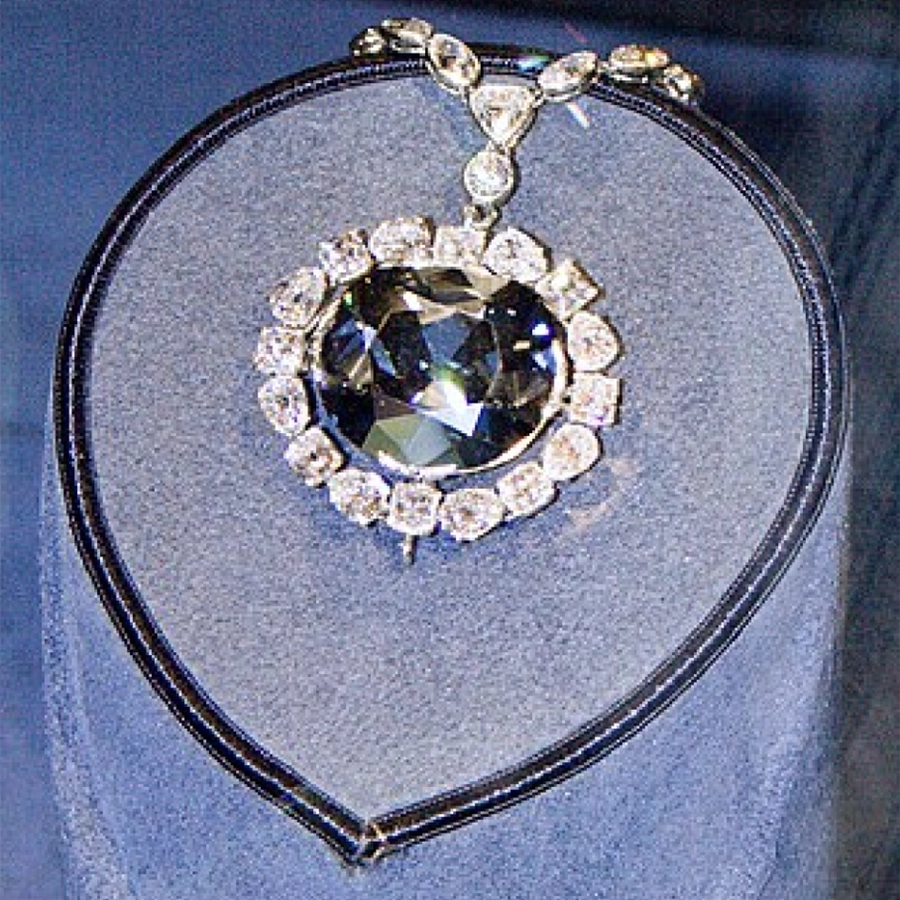
Hope Diamond, The Hope Diamond, originally discovered in India, weighs a whopping 45.52 carats. This blue diamond is known not only for its beauty but also for a notorious curse that is said to bring bad luck to its owner. It is currently on display at the Smithsonian Institution in Washington, D.C.
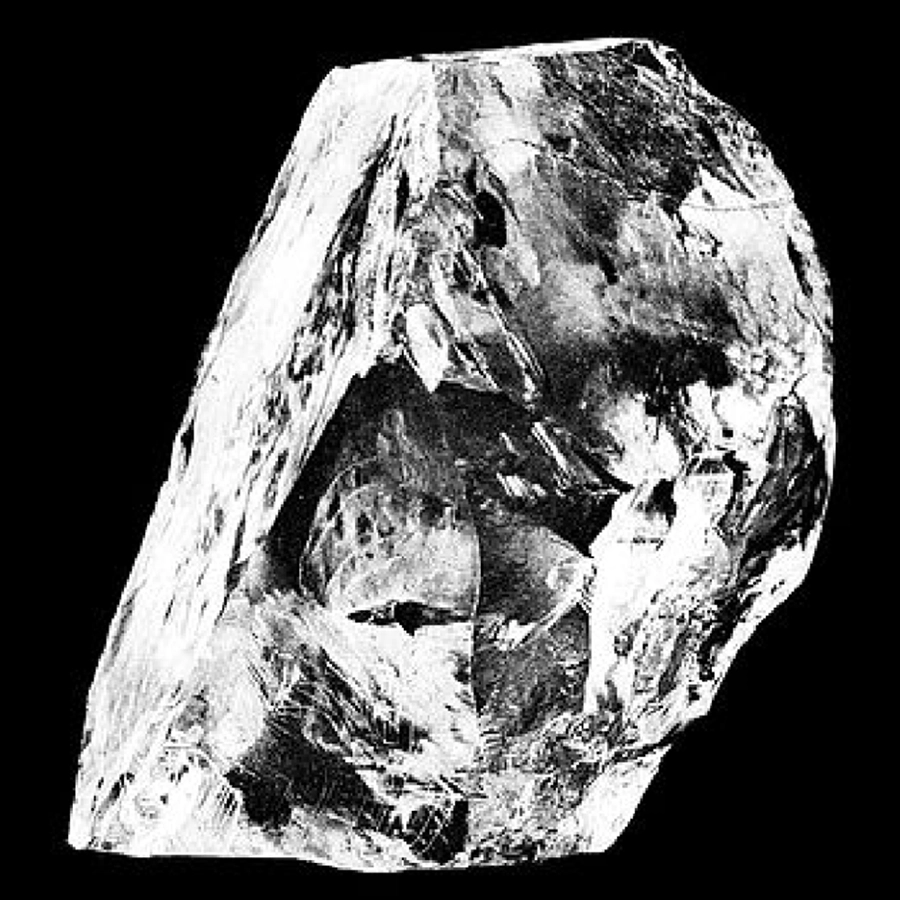
Cullinan Diamond was the largest uncut diamond in the world. It was discovered in South Africa in 1905 and weighed 3.106 carats. It was broken into several pieces, the largest of which are part of the British Crown Jewels, such as the Cullinan I, known as the "Star of Africa".

The Dresden Green Diamond – translated as the Dresden Green Diamond – this 41-carat green diamond originated in India and has been known since the 18th century. It is currently part of the collection at the Green Vault in Dresden, Germany. It is known for its unique color and fascinating history.
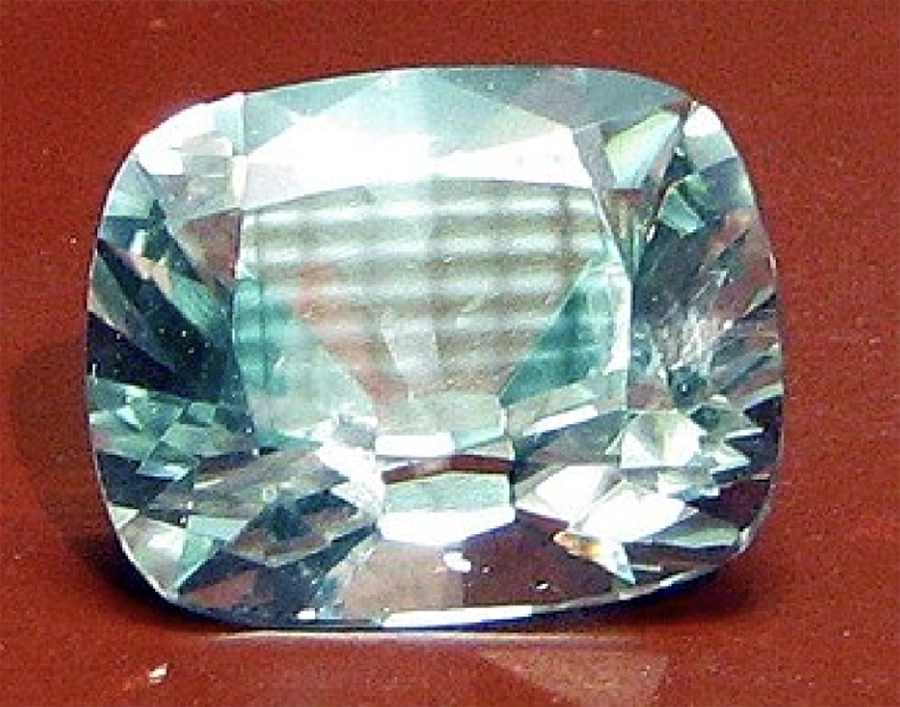
The Imperial or Star of the South Diamond – according to us Imperial Diamond or Star of the South
This 128.48-carat diamond was discovered in Brazil. In the 19th century, it belonged to Emperor Pedro II and became a symbol of wealth and power.
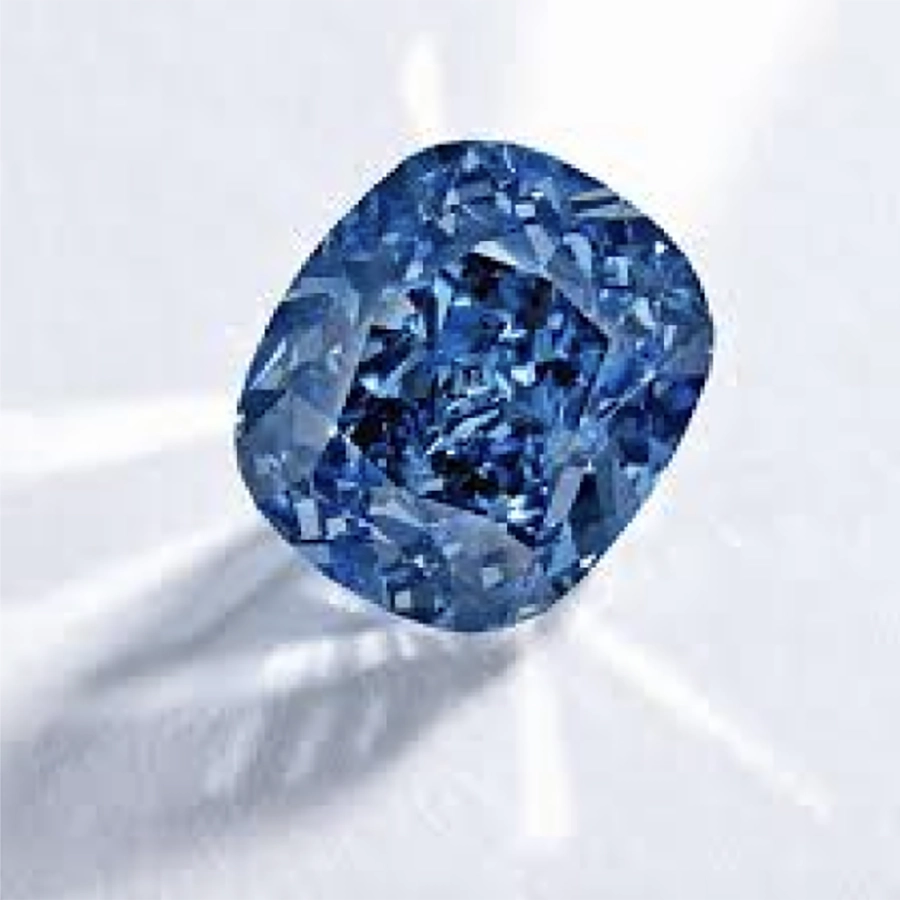
The Blue Moon Diamond of Josephine – Josephine's Blue Moon diamond is "only" 12.03 carats, but thanks to its blue color, it was sold at auction in 2015 for more than $48 million, making it one of the most expensive diamonds ever sold. It was mined in South Africa.
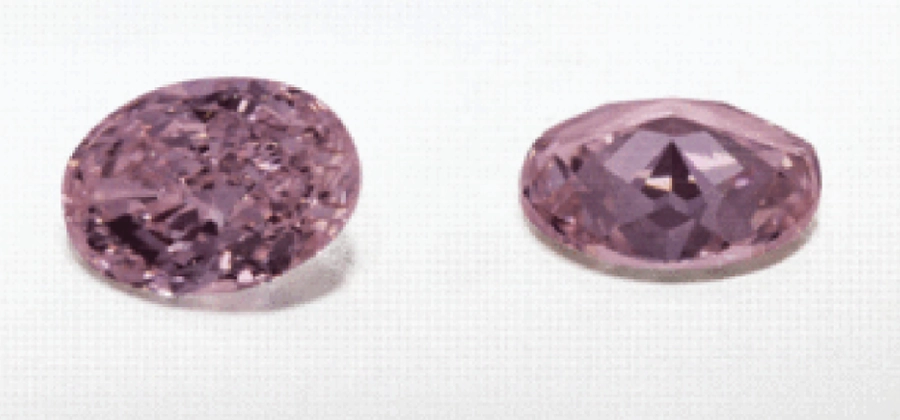
The Pink Star or Pink star A 59.60-carat pink diamond has been discovered in South Africa.
In 2017, it was sold for a record $71.2 million at auction, making it the most expensive diamond ever sold.
WHY BUY A DIAMOND
Buying a diamond is definitely a great choice because they offer the greatest variability and options that can satisfy even the most demanding buyer.
You can choose it for various reasons. For example, their availability in different shapes, colors and sizes, which allows for wide personalization and makes each piece of jewelry an original and unique gift or accessory. They offer an excellent choice for jewelry that is intended for everyday wear, as they are extremely resistant to scratches and other damage.
They are also popular a symbol of love, eternity and lasting commitment. That's why you can choose it for an engagement ring for your loved one or give a diamond-studded pair of earrings or a pendant for a special occasion such as an anniversary or holiday.
Diamonds can also become yours a stable investment, which can even increase over time. Although diamond prices are subject to market fluctuations, in the long term, high-quality and rare diamonds in particular are considered valuable investment assets.
Because their value is not directly tied to economic cycles and inflation, investing in diamonds can protect your wealth.
Another factor that can add weight to the bowls when considering a purchase is the fact that Every diamond is unique. This means that no two pieces are the same. Color, clarity, cut shape, and carat weight always vary and can be customized to suit the wearer's taste and preferences.
Diamonds are associated with spiritual and symbolic values, such as courage, purity, and protection. For some people, diamonds become talismans, which bring them positive energy and a sense of connection to their values and beliefs.
They are extreme aesthetically appealing and timeless, while delivering elegance to any style. They have been worn and appreciated for centuries, making their beauty enduring and Diamond jewelry will never go out of fashion.
Diamonds have always been a symbol of wealth and prestige. For many, they represent luxury and success, which is why they are part of jewelry for people who value quality and want to show their social status.
In our opinion, the most beautiful aspect of gemstones is their rarity and durability. This can to become a perfect inheritance, that will be passed down from generation to generation and become a family heirloom with sentimental value. It may not be just its price, but its story, for example, that makes it a valuable treasure. Wearing it can have great emotional meaning for you and remind you of a sense of belonging.
Buying a diamond is guaranteed to be an exceptional and valuable decision that meets not only practical, but also emotional and symbolic needs.
DIAMOND CARE
How to clean and care for your sapphire jewelry?
Cleaning diamond jewelry is the easiest of all. Because diamond is the hardest of all gemstones, it is also resistant to most chemicals. So you don't have to worry about giving your gemstone a proper cleaning.
When it comes to diamond jewelry, you're in luck if the diamond is set in platinum. As the hardest metal, it lasts the longest.
Whether your diamonds are set in platinum or yellow, white or rose gold, we recommend cleaning your jewelry using a method that will never damage it. This will ensure its longevity and preserve its beauty.
Here are steps and tips on how to properly clean your diamond jewelry:
It is a good idea to personally check the condition of your diamond jewelry after each wear. To maintain its long-lasting beauty, a gentle cleaning with soapy water is sufficient.
In a small bowl, mix warm water with a few drops of soap. Make sure the soap does not contain abrasive particles.
Place your diamond jewelry in the solution and let it soak for about 15-20 minutes. This will help loosen dirt and grease.
After soaking, use a soft toothbrush to thoroughly clean your treasure.
After cleaning, rinse the jewelry under running water several times to remove all soap residue. Be extra careful with this step, or place a bowl in the sink to prevent losing the jewelry down the drain.
After rinsing, gently dry your jewelry with a soft microfiber cloth. Let it air dry until completely dry.
Store all diamond jewelry separately from other jewelry to prevent damage to each other. Use jewelry boxes with soft interior.
Additional tips
Avoid cleaning products that contain chemicals or abrasive particles, as they could damage the metal of your diamond jewelry.
Before putting it back on, make sure your hands are clean—free of lotions and creams. If you use hairspray or perfume, do so before putting your jewelry on. These steps will prevent accidental damage and attracting dirt.
If your diamond jewelry is very tarnished or damaged, consider having it professionally cleaned by a professional jeweler like us at Trones. We also recommend that you bring your jewelry in for a more thorough inspection at least once a year.
By following these simple steps, you can keep your treasure in beautiful condition and enjoy its beauty and shine for a long time.
INTERESTING FACTS
When rough diamonds are cut and polished, they can lose up to 2/3 of their total carat weight.
Since larger, high-quality rough gemstones are found less frequently than smaller, high-quality rough gemstones, one two-carat diamond will be more expensive than two one-carat diamonds of the same quality.
An ideally cut one-carat diamond measures approximately 6.5mm across. However, an ideal diamond of twice the weight measures only 8.2mm across – less than a 30% increase in “size”.
FREQUENTLY ASKED QUESTIONS
Is it possible to distinguish a lab-grown diamond from a natural one?
Distinguishing lab-grown (synthetic) diamonds from natural diamonds is becoming increasingly important, as synthetic diamonds are indistinguishable from natural diamonds. Modern lab-grown diamond production technologies (CVD and HPHT methods) create diamonds with the same chemical, optical and physical structure as natural diamonds. It is important to note that standard diamond testers cannot distinguish a natural diamond from a lab-grown diamond, as they work by detecting thermal and electrical properties that are the same for both natural and lab-grown diamonds. However, there are specific methods and characteristics that help to distinguish them.
This is done using a magnifying glass or microscope, a UV lamp, or special devices such as a Raman spectroscope in the hands of experts. That's how we are at Trones, and that's why you can turn to us with confidence.
Where are diamonds mined the most?
Historically, it was the most important source of diamonds IndiaIt is still mined here today, but its significant place in the ranking has been taken away Russia, which is one of the largest diamond producers in the world. Their most important deposit is in Yakutsk. In recent decades, they have become a very important player in the diamond market. Canada with several large mining projects.
The most famous are probably diamonds from the African continent, which come from various places, mostly from South Africa, Botswana, Namibia and Angola.
What is the mining process actually like?
Mining operations involve various stages. This includes prospecting, mining, sorting, and finally processing the diamonds. After mining, the diamonds are usually placed in sorting facilities where they are sorted by quality and size.
What about the question of ethics?
Diamond mining also raises ethical issues, particularly with regard to ‘blood diamonds’, which are linked to conflict and human rights abuses. As a result, initiatives have been developed to ensure ethical practices in diamond mining and trade, such as the Kimberley Process, which aims to prevent the sale of diamonds that finance military conflicts.
Can I get my gemstone/jewelry insured?
Of course, and we even recommend this option to you. Safety is our top priority, and since we know how important it is for a commodity like gemstones or jewelry, we also take care of the safety of our gemstones in Trones and from our own experience we recommend it to you.
To insure your gemstone or jewelry, you need to have expert review. We know from experience that most insurance companies will not insure any jewelry or gemstone without an assessment. experts. At Trones, we prepare such reports and issue them to you upon request.
What is a diamond certificate?
A diamond certificate verifies the specifications of each diamond, including its color grade, carat weight, clarity grade, and cut grade. The most well-known grading labs are the Gemological Institute of America (GIA), the American Gem Society (AGS), and the International Gemological Institute (IGI).
The price of a diamond depends on objective characteristics commonly known as the 4Cs: color, clarity, cut and carat. The relationship between these four characteristics determines the value of the diamond.
What does the 4C marking mean in gemstones?
The price of a diamond depends on objective characteristics commonly known as the 4Cs: color, clarity, cut and carat weight. The relationship between these four characteristics determines the value of the diamond.
How to choose the right one?
Whether it is choosing a diamond or another type of gemstone, the most important thing is to clarify what you are looking for.
- which type of stone – diamond, ruby, sapphire, emerald, …
- you care about color – green gemstone, red, yellow,…
- you want to invest and you care about quality
- not even ourselves you don't know, you choose at random, something that catches your eye
It doesn't matter which category you fall into, the most important thing is to get an overview and get a little familiar with the diverse world of gemstones. We at Trones will help you with that. we are happy to help. We have created for you for every type of gemstone educational part After reading it, you will not only be wiser, but you will also be better able to choose a gemstone that will reflect what suits you and is close to your eye or heart.
What specific effects do diamonds have?
FLUORESCENCE
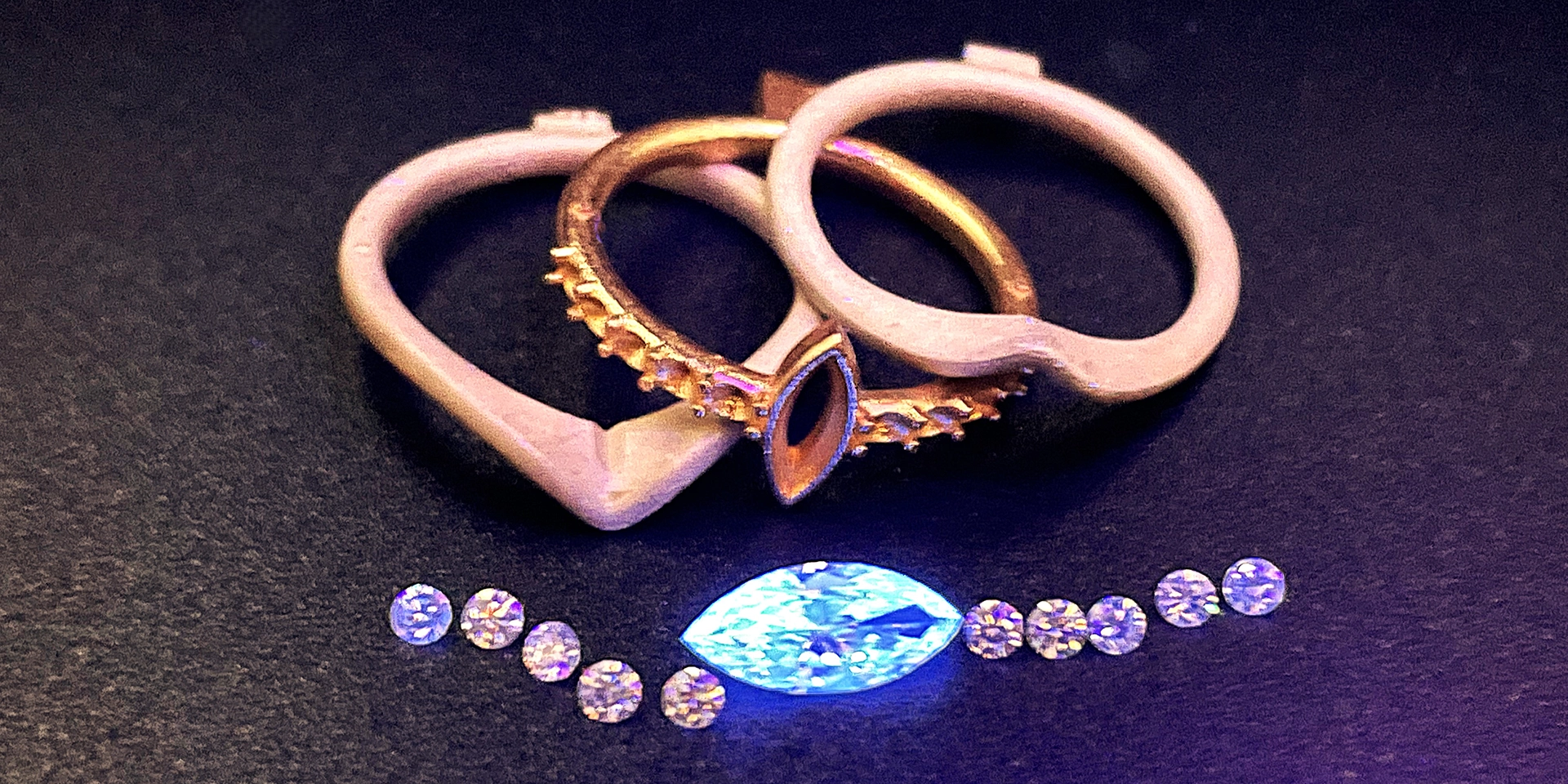
Some types of gemstones have a naturally occurring phenomenon that occurs in certain minerals and gemstones. This is the ability to fluoresce. This means that they glow when exposed to ultraviolet light. This luminescence can occur in different colors and intensities.
We know the intensity as weak, medium, strong and very strong.
The color can be
Blue – is the most common color of fluorescence in diamonds, which often increases visual appeal and can mask yellow hues.
– in rare cases, it can cause the stone to be milky or oily
white – adds brightness to diamonds
yellow – fluorescence in yellow tones is less common and can affect the color of the diamond
green – Green fluorescence is rarer, but can occur
orange – like green, orange fluorescence is less common
red – very rare and very valuable
If a particular diamond shows no signs of fluorescence, it is zero, and will be listed as inert or none in the grading report. You will find it marked “none” in the English certificate.
It is important to note that fluorescence usually has no effect on the appearance of a diamond under normal lighting conditions. However, fluorescence and the color of fluorescence have different effects on the evaluation of gemstones in different countries. For example, in Russia, fluorescent diamonds are very popular and preferred. The higher the fluorescence, the more attractive the diamond becomes. In other countries, fluorescence is considered a defect and such diamonds are sold at a lower price.
It's perfectly fine if you have specific preferences for this feature when choosing your diamonds. At Trones, we can accommodate you in every way.
Which month of the year does the diamond symbolize?
The diamond is the symbol of the month of April. People born in this month consider it their birthstone and it is believed to bring courage, strength and protection to the wearer. Diamonds are also a symbol of purity and durability.


